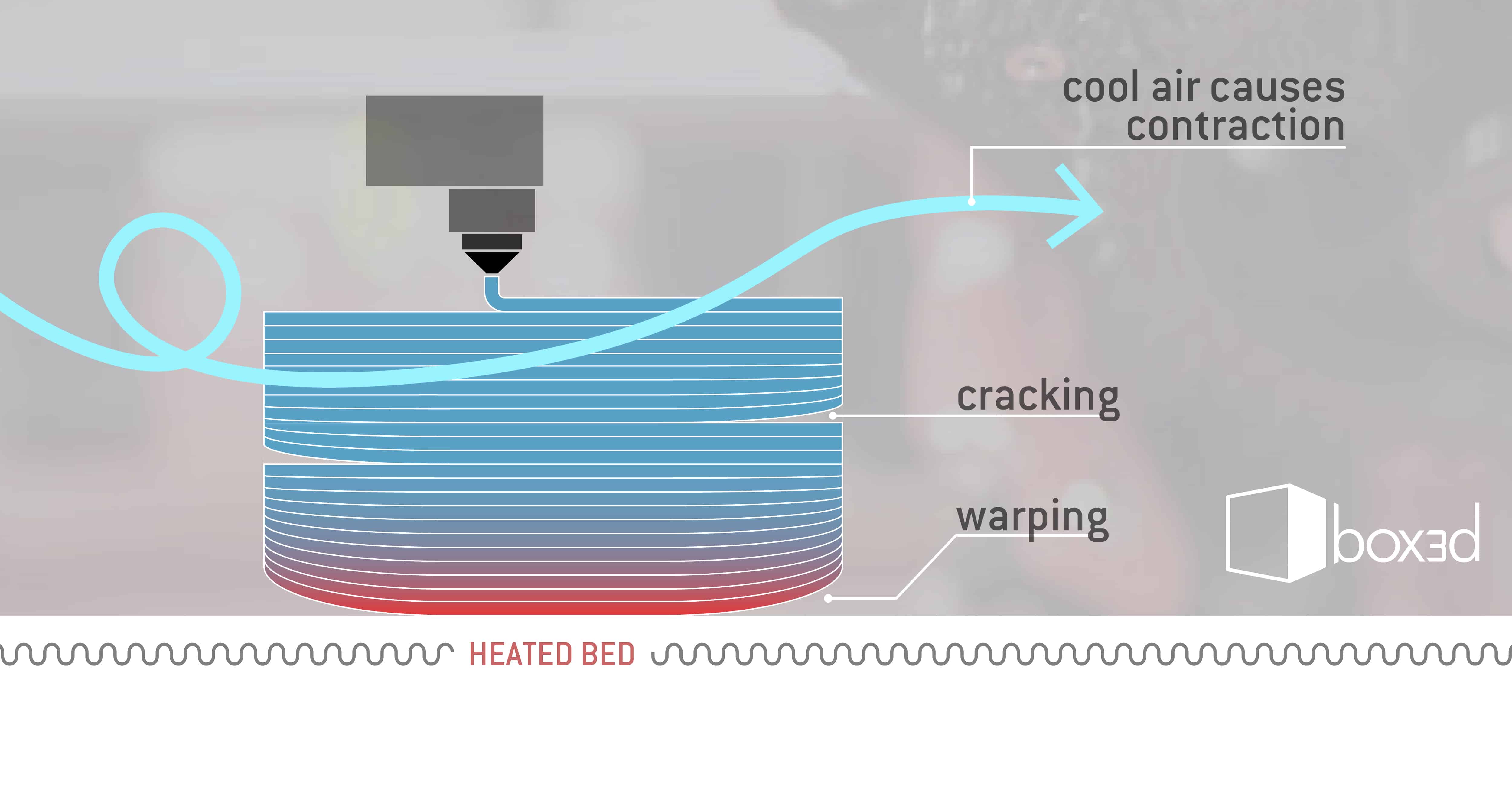
Understanding the Science Behind Print Cracking: What You Need to Know
Understanding the science behind print cracking starts with recognizing the factors that contribute to this issue in various printing processes. Print cracking typically occurs when the printed surface is subjected to stress, causing the ink or coating to fracture or split. This phenomenon can arise due to several reasons, including improper ink formulation, inadequate curing, or the choice of substrate. For instance, when printing on flexible materials, the tension and curvature changes can amplify the likelihood of cracking, leading to unsightly blemishes on what should be a smooth finish.
Another essential aspect to consider is the environmental conditions in which the printed materials are handled and displayed. Factors such as humidity, temperature, and exposure to sunlight can significantly affect ink adhesion and durability. Implementing proper storage solutions and understanding these environmental influences can mitigate print cracking. Additionally, testing different inks and coatings for their flexibility and resilience can lead to better outcomes. By being well-informed about these variables, you can create vibrant prints without the risk of compromising their integrity.
For all your Pokémon needs, visit our pokemon shop where you can find a wide variety of Pokémon merchandise, from plush toys to trading cards.
Top 5 Techniques for Preventing Print Cracking in Your Projects
Print cracking can be a frustrating issue for many creators, but there are effective techniques to minimize this problem in your projects. Here are the Top 5 Techniques for Preventing Print Cracking:
- Choose the Right Materials: Always select high-quality materials that are specifically designed for the type of print job you are undertaking. Inferior materials are more likely to fracture when subjected to stress.
- Optimal Ink Usage: Ensure that you are using the correct amount of ink. Excessive ink can lead to longer drying times and increased brittleness, making cracks more likely to occur.
- Proper Curing Techniques: Utilize appropriate curing techniques that suit the ink and substrate. For instance, UV curing or appropriate heat settings can improve the strength of your prints.
- Environmental Control: Maintain a consistent environmental condition during the printing process. Fluctuations in humidity and temperature can adversely affect the printed materials and lead to cracking.
- Test Regularly: Regular testing of different combinations of materials, inks, and techniques will help you determine the best practices for your specific projects.
Is Your Print Cracking? Common Causes and Solutions Explained
If you’ve noticed your prints are cracking, it can be frustrating and may compromise the quality of your work. Common causes of this issue often stem from the printing surface, the type of ink used, or environmental factors. For example, using low-quality paper can lead to subpar adhesion, while inks that dry too quickly may create tensions that result in cracks. Additionally, exposing prints to humidity or extreme temperatures can exacerbate the problem, causing the materials to expand and contract unevenly. Understanding these factors is critical to preventing damage to your prints.
Fortunately, there are several solutions you can implement to minimize or eliminate cracking in prints. First, ensure that you are using high-quality materials; selecting premium paper and inks can significantly impact the outcome.
- Consider using a varnish or protective coating to shield your prints from environmental stressors.
- Adjusting your printing environment to maintain consistent temperature and humidity levels can also help.
- Finally, experiment with different settings on your printer, such as ink density and drying time, to find the best combination that reduces the likelihood of cracking.