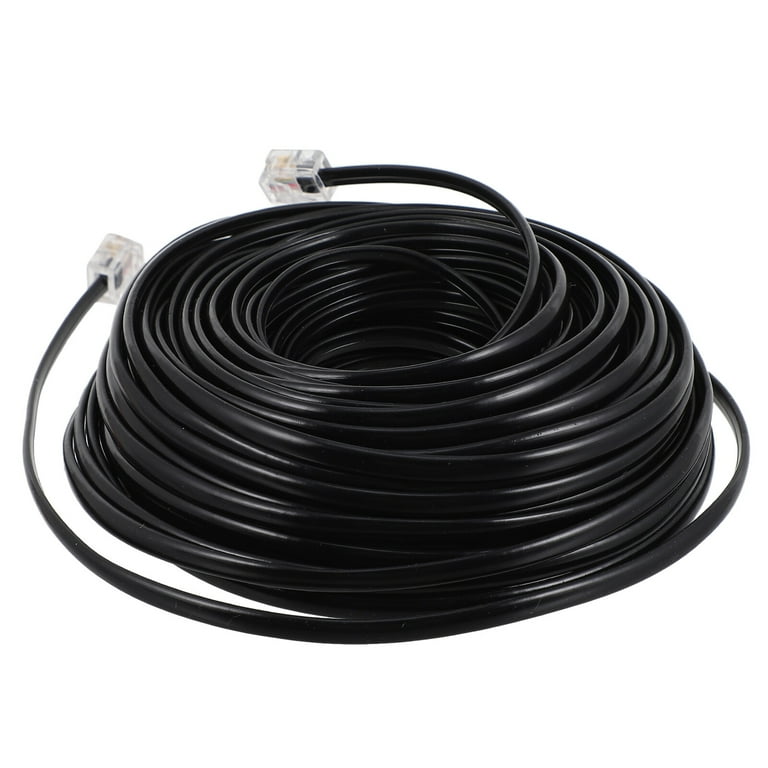
Understanding the Impact of Cable Length on Signal Quality
When it comes to signal quality, the length of the cable plays a crucial role. The basic principle is that as the cable length increases, the signal can degrade due to resistance and interference. This degradation is often measured in terms of signal loss, which refers to the decrease in strength of the electrical signal as it travels through the cable. While shorter cables generally offer better performance, it's essential to understand the specific cable type and its capabilities. For instance, high-quality coaxial and fiber optic cables can maintain signal integrity over longer distances compared to standard copper cables.
Additionally, the surrounding environment can exacerbate the effects of cable length on signal quality. External factors such as electromagnetic interference, temperature fluctuations, and physical obstructions can further diminish the signal. Therefore, if you're working with longer cable runs, it can be beneficial to invest in high-performance cable solutions and consider using amplifiers or repeaters to enhance signal integrity. To summarize, understanding the impact of cable length on signal quality is essential for optimizing electronic systems, ensuring reliable performance, and minimizing disruptions.
Counter-Strike is a highly popular first-person shooter game that pits teams of terrorists against counter-terrorists in various objective-based scenarios. Players must strategize and work together to complete missions such as bomb defusal or hostage rescues. The game is celebrated for its competitive scene and has a rich history in esports, making it a favorite among gamers worldwide. If you're looking for essential accessories for your devices, check out the Top 10 iphone charging cables to keep your gear powered up effectively.
How to Choose the Right Cable Length for Your Needs
Choosing the right cable length is crucial for ensuring optimal performance and minimizing clutter. Whether you're setting up a home theater system, a computer workstation, or any other electronic setup, selecting the correct cable length can significantly affect your experience. Start by evaluating the distance between your devices. For instance, if you're connecting a TV to a receiver, measure the distance accurately to account for the routes the cable will take, such as through walls or along furniture. Remember that it's always better to have a little extra length than to end up with a cable that is too short.
Another factor to consider when selecting cable length is the environment in which the cables will be used. For example, if your setup involves outdoor usage, you may need a cable that is not only longer but also weather-resistant. Additionally, think about the potential for future upgrades; a longer cable might provide you with more flexibility if you decide to rearrange your setup later. To help you decide, you can create a list of your devices with their respective distances and preferred cable types, which will make it easier to visualize what length you need:
- Device A - 3 meters
- Device B - 10 meters
- Device C - 5 meters
What You Need to Know About Voltage Drop in Long Cables
Voltage drop is a critical consideration when dealing with long cables, as it affects the performance of electrical systems. When electricity flows through a conductor, some energy is lost as heat due to the resistance of the cable. This phenomenon becomes more pronounced in longer cables, which means that the voltage at the load end may be significantly lower than at the source. Understanding this concept is essential for anyone involved in electrical installations or repairs, as it can impact the efficiency and safety of the entire system.
To calculate voltage drop, you can use the formula: VD = I x R, where VD represents the voltage drop, I is the current flowing through the conductor, and R is the resistance of the cable. Factors such as the cable size, material, and length all play a role in determining the resistance. For most applications, keeping the voltage drop within 3-5% of the total voltage is recommended to ensure proper function and reliability. By taking these factors into account, you can ensure that your electrical systems operate effectively, even over long distances.