5 Cognitive Biases That Affect Your Decision-Making
Understanding cognitive biases is essential for improving your decision-making skills. These biases are inherent mental shortcuts that our brains use to simplify information processing, but they can also lead to flawed choices. One common bias is the confirmation bias, where individuals tend to favor information that confirms their existing beliefs while ignoring contradictory evidence. This can result in skewed perceptions and hinder one's ability to make well-informed decisions.
Another significant bias is the availability heuristic, where people assess the probability of an event based on how easily examples come to mind. This can lead to overestimating the likelihood of dramatic but rare events while underestimating more frequent occurrences. In addition, the anchoring bias affects how we make decisions based on the first piece of information we encounter, regardless of its relevance. Being aware of these cognitive biases can empower you to make clearer, more rational choices in both personal and professional contexts.
Counter-Strike is a highly competitive tactical first-person shooter that has captivated gamers since its inception. Players engage in team-based gameplay, where one side takes on the role of terrorists, while the other is comprised of counter-terrorists. For those looking to improve their travel experience while gaming, check out the Top 10 Travel Tech Essentials that can enhance portability and connectivity during your adventures.
How Emotion Influences Our Choices: The Science Explained
Our emotions play a crucial role in shaping our decisions, often influencing our choices more than logic and reason. According to psychological research, this phenomenon occurs because emotions serve as a form of immediate feedback that helps us evaluate situations quickly. For instance, when faced with a dilemma, a feeling of excitement might push us toward riskier options, while fear can lead us to avoid potentially negative outcomes. Emotional impact thus acts as a guiding force, often outweighing objective facts and figures.
Furthermore, studies in neuroscience have shown that our brains are wired to respond to emotional stimuli. The limbic system, which is responsible for processing emotions, interacts with the rational part of our brain, leading to decisions that aren't purely based on logic. This intricate relationship highlights why we may experience "buyer's remorse" after an impulse purchase driven by heightened emotions. Ultimately, understanding the connection between emotions and decision-making can empower individuals to make more informed choices by recognizing when their feelings may be clouding their judgment.
Can You Train Your Brain to Make Better Decisions?
Making better decisions is a skill that can be developed over time, much like any physical or mental training. Research has shown that our brains are flexible and capable of adapting to new challenges through a process known as neuroplasticity. By training your brain to recognize patterns and biases in your thought processes, you can improve the decision-making capabilities that often lead to more favorable outcomes. Techniques such as mindfulness meditation, cognitive restructuring, and even simple reflection on past choices can pave the way for clearer, more rational thinking.
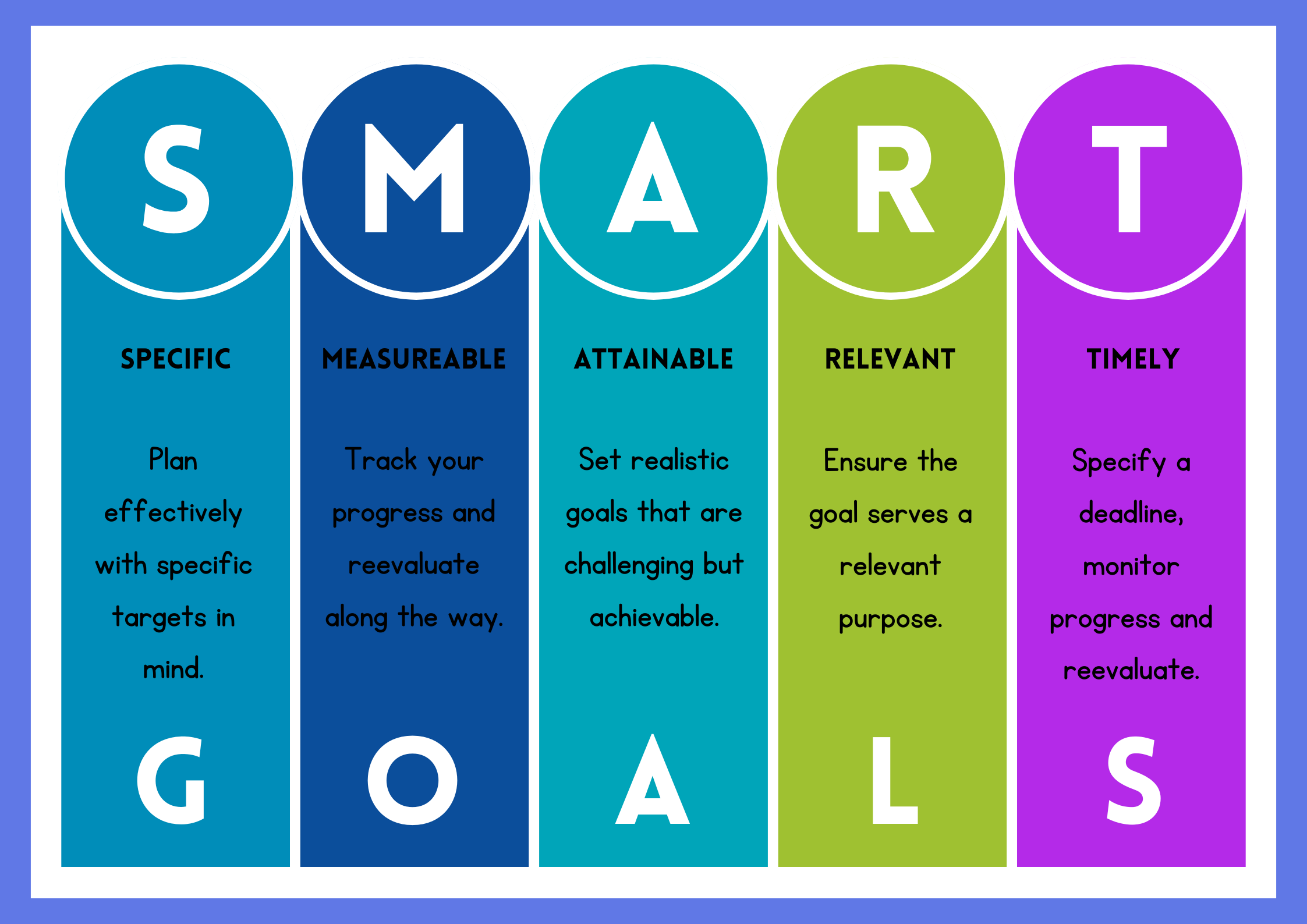
Incorporating specific strategies into your daily routine can significantly enhance your decision-making skills. For instance, consider implementing a decision-making framework that involves identifying your goals, weighing the pros and cons of each option, and setting a timeline for the decision. Additionally, seeking feedback from trusted peers or mentors can provide valuable insights and alternative perspectives. Ultimately, the more consciously you approach your decisions, the better you will become at making choices that align with your objectives and values.