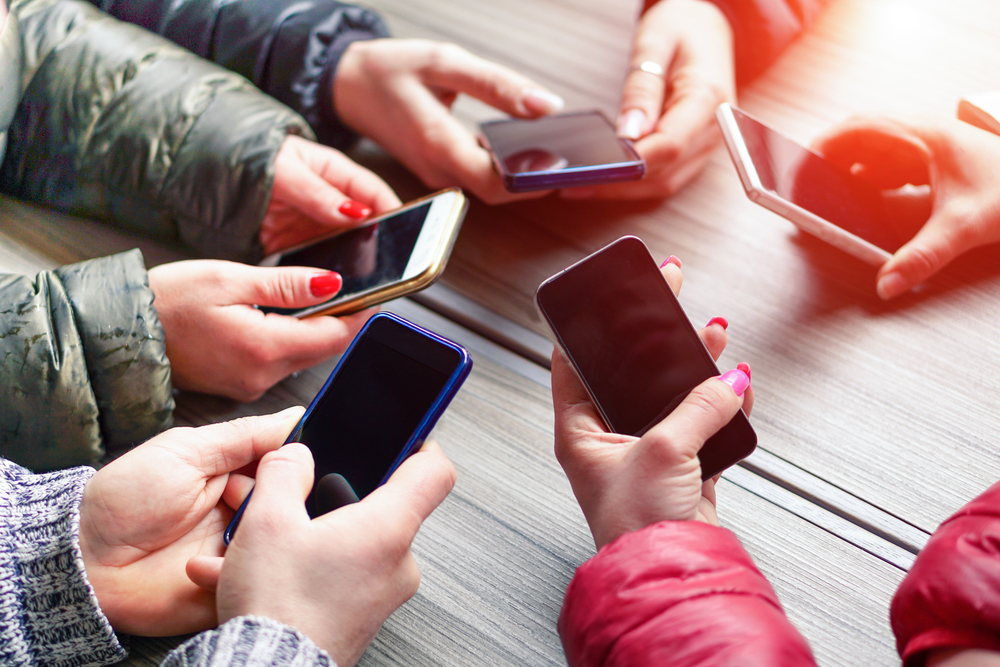
The Evolution of Smartphones: How Pocket-Sized Technology Changed the World
The evolution of smartphones has been nothing short of revolutionary, fundamentally transforming the way we communicate, access information, and interact with the world around us. From the early mobile phones of the 1980s, which were bulky and primarily used for voice calls, to the sleek and multifunctional devices we carry in our pockets today, pocket-sized technology has continually advanced. The introduction of the first smartphone, the IBM Simon, in 1992 marked the beginning of a new era, combining a mobile phone with a touchscreen display and basic applications. Over the years, innovations such as the launch of the iPhone in 2007 and the rise of Android technology have paved the way for a more connected society, allowing users to browse the internet, capture high-quality photos, and even manage their daily tasks all from a single device.
As we reflect on how smartphones have changed the world, it becomes evident that their impact extends beyond personal convenience. They have reshaped industries, altered social dynamics, and even transformed economies. The following points illustrate some key transformations brought about by this remarkable technology:
- Enhanced Communication: Smartphones have enabled instantaneous communication through texts, video calls, and social media platforms.
- Access to Information: With the internet at our fingertips, users can access a wealth of information anytime, anywhere, fostering a more informed populace.
- Economic Growth: The smartphone industry has created millions of jobs and spurred innovations in various sectors, from app development to e-commerce.
Counter-Strike is a highly popular first-person shooter game that emphasizes team-based gameplay and strategy. With its competitive scene, players often seek the best gear to enhance their performance. If you're looking for recommendations, check out the Top 10 Samsung Galaxy S Accessories to optimize your gaming experience!
10 Ways Smartphones Are Influencing Our Daily Routines
Smartphones have seamlessly integrated into our lives, influencing how we manage our daily routines in various ways. From morning alarms to late-night browsing, these devices shape our behavior. One significant impact is the ease of communication; with just a few taps, we can connect with friends, family, or colleagues, enhancing our social interactions. Furthermore, smartphones serve as personal assistants, helping us schedule appointments, set reminders, and even track our health through various apps.
Moreover, smartphones facilitate instant access to information, allowing us to learn and stay updated on current events or topics of interest. With features such as GPS and navigation apps, our commuting habits have transformed, making it easier to find the fastest routes or discover new hotspots. Additionally, the rise of mobile shopping apps has streamlined our purchasing behavior, enabling us to shop anytime and anywhere. These features illustrate just how profoundly smartphones are affecting our daily routines, leading to a blend of convenience, productivity, and connectivity.
Are Smartphones Detrimental or Beneficial to Our Social Lives?
In today's digital age, smartphones have become an integral part of our daily lives, influencing how we communicate and interact with one another. On one hand, these devices can be seen as beneficial to our social lives, as they allow us to connect with friends and family across the globe instantaneously. Through various social media platforms and messaging apps, we can share experiences, photos, and updates, fostering a sense of community and belonging. Moreover, smartphones facilitate the organization of social events, enabling users to coordinate meetups and gatherings more efficiently.
Conversely, the omnipresence of smartphones has also raised concerns regarding their impact on face-to-face interactions. Critics argue that excessive smartphone usage can be detrimental to our social lives, as it may lead to decreased quality of in-person conversations. Many people find themselves distracted by notifications, often prioritizing their screens over engaging with those around them. This phenomenon, referred to as 'phubbing,' can create feelings of isolation and hinder the development of deep, meaningful relationships. Ultimately, the influence of smartphones on our social lives is a double-edged sword, and it's crucial for individuals to find a balanced approach to technology use.