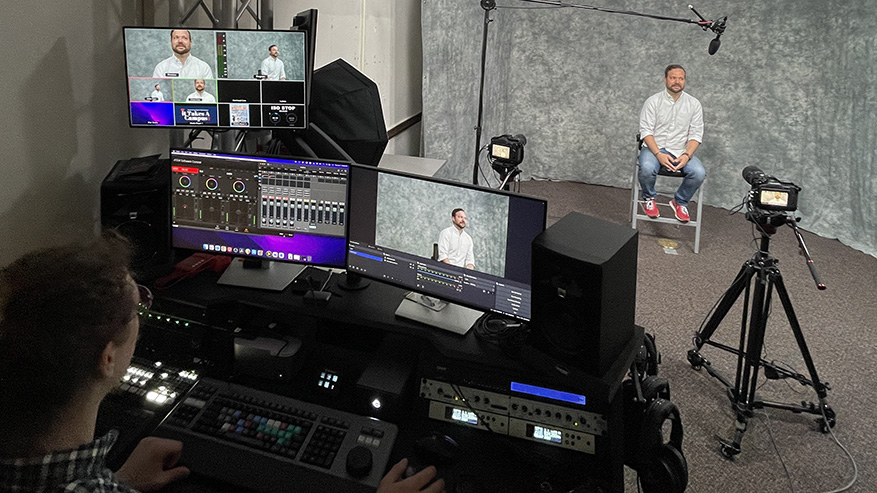
Understanding the Basics: What You Need to Know About Video Production
Understanding the Basics of Video Production is essential for anyone looking to create engaging visual content. Video production involves a series of steps including pre-production, production, and post-production. During the pre-production phase, you need to plan your project by scripting, storyboarding, and scheduling shoots. This stage is critical because it sets the foundation for your entire video. Once everything is in place, you transition to the production phase, where the actual filming takes place. This is where you capture all the visual and audio elements that will comprise your final product.
Finally, the post-production phase is where the magic happens. This is when you edit the footage, add sound, and incorporate any special effects necessary to enhance the viewer's experience. Understanding the tools and software available for video editing is crucial as it can greatly affect the quality of your final video. To summarize, grasping the essential elements of video production can significantly elevate your content creation efforts. Here’s a quick recap of the process:
- Pre-Production
- Production
- Post-Production
Counter-Strike is a popular first-person shooter game that has captivated millions of players around the world. Its competitive gameplay, strategic depth, and team-based mechanics create an engaging experience. For those looking to enhance their gaming experience on platforms like TikTok, check out the Top 10 TikTok Phone Accessories that can elevate mobile gaming.
The Common Myths of Video Production: Separating Fact from Fiction
Video production is often shrouded in myths and misconceptions that can deter aspiring creators from pursuing their passion. One of the most common myths is that high-quality video production requires expensive equipment. In reality, while professional gear can enhance production quality, many successful videos are created using smartphones and basic editing software. Understanding the fundamentals of storytelling and engaging content is often more critical than the price tag on your camera.
Another prevalent myth is the belief that you need to have extensive technical skills to produce compelling videos. While technical knowledge can certainly help, platforms and tools have evolved to make video production accessible to everyone. Many editing software options now come with user-friendly interfaces and helpful tutorials. According to industry experts, creativity and a clear vision are far more important than technical prowess in creating videos that resonate with audiences.
How to Choose the Right Equipment for Your Video Projects
When embarking on a new video project, selecting the right equipment is crucial to achieving high-quality results. Start by assessing your project's specific needs. Consider factors such as the type of content you plan to create—whether it's short films, vlogs, or corporate videos. Each format might require different camera capabilities. For instance, if you are shooting in low-light conditions, a camera with a larger sensor could be beneficial. Additionally, think about your budget and how much you are willing to invest in equipment. Prioritizing versatile gear can save you money in the long run, as it can be used across various projects.
Next, make a list of essential gear you will need. Here’s a simple checklist to guide you:
- Camera – Choose between DSLRs, mirrorless, or camcorders depending on your needs.
- Microphone – Good audio is just as important as good visuals; consider lapel, shotgun, or handheld mics.
- Lighting – Invest in softbox or LED lights to enhance the quality of your video.
- Tripod – Stability is key; ensure your tripod can handle your camera's weight.
By gathering the right equipment, you can bring your creative vision to life effectively.