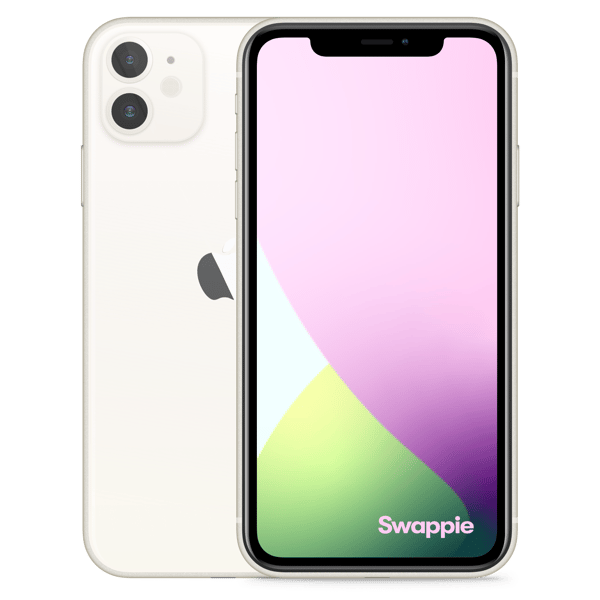
The Psychology Behind Our iPhone Obsession: What Makes Us Dependent on Our Devices?
The relationship many of us have with our iPhones can be traced back to a combination of psychological factors that drive our dependency on these devices. One significant aspect is the dopamine release associated with notifications and social interactions. When we receive a text or a 'like' on a post, our brains reward us with a small surge of this feel-good neurotransmitter, creating a cycle of craving and reward. This makes it increasingly difficult to resist checking our phones as we become conditioned to seek that satisfaction repeatedly. Moreover, the concept of FOMO (Fear of Missing Out) exacerbates this behavior as we constantly worry that we might miss important updates or connections, reinforcing our attachment to our iPhones.
Another psychological factor contributing to our obsession with iPhones is the concept of social validation. In today’s digital age, many individuals gauge their self-worth based on their online presence and interactions. The result is an incessant need to curate content and engage with others, cultivating a dependency on our devices for affirmation. Additionally, the design of apps and social media platforms often incorporates features like infinite scrolling and variable rewards to keep users engaged. As we immerse ourselves in this digital landscape, it becomes evident that our iPhone dependency is not merely a habit, but a complex interplay of psychological mechanisms that drive us to stay connected, often at the cost of our mental health.
Counter-Strike is a highly competitive first-person shooter game that has gained immense popularity since its release. Players engage in team-based gameplay, where they can choose to be part of the terrorist or counter-terrorist teams. The game requires strategy, teamwork, and quick reflexes, making it a favorite among esports enthusiasts. For those interested in photography, you might want to check out the Top 10 iPhone camera lenses to enhance your skills outside of gaming.
10 Ways iPhones Have Transformed Our Daily Lives: The Importance of Our Tiny Tech Companions
The advent of the iPhone has undoubtedly reshaped our daily routines in ways we could never have imagined. iPhones have become indispensable tools, not just for communication but for managing various facets of our lives. From the moment we wake up to that gentle notification chime, our devices help us plan our day, set reminders, and even provide us with the latest news updates. For instance, with the ability to check our calendars and email in an instant, we can stay organized and efficient, a stark contrast to the days of pen and paper.
Moreover, the versatility of the iPhone extends far beyond scheduling. In fact, it empowers us to explore new hobbies, connect with friends and family, and even monitor our health. 10 Ways iPhones Have Transformed Our Daily Lives can be seen in the way we use apps for everything from meditation to fitness tracking. This tiny tech companion also enables us to navigate our world effortlessly, seek information on-the-go, and capture cherished moments through high-quality photography, making every experience more fulfilling and connected.
Are We Addicted to Our iPhones? Exploring the Impact of Constant Connectivity
The rise of smartphones, particularly the iPhone, has transformed the way we interact with the world. In a society that values constant connectivity, many of us find ourselves reaching for our devices almost instinctively. Studies suggest that an overwhelming percentage of adolescents and adults spend several hours a day on their smartphones, with social media, online shopping, and instant messaging dominating our attention. This phenomenon raises an important question: are we truly addicted to our iPhones? As we navigate through our daily lives, it becomes increasingly clear that our devices can both enhance and hinder our experiences.
Psychologists have noted that the design of smartphones, including the iPhone, can trigger addictive behaviors akin to substance dependence. The instant gratification from receiving notifications or 'likes' can create a dopamine feedback loop, making it difficult to resist the urge to check our phones. This constant connectivity not only affects our mental health but also disrupts interpersonal relationships, as we may prioritize our virtual interactions over face-to-face conversations. As we explore this topic further, it is essential to consider both the benefits and drawbacks of our attachment to these powerful devices.