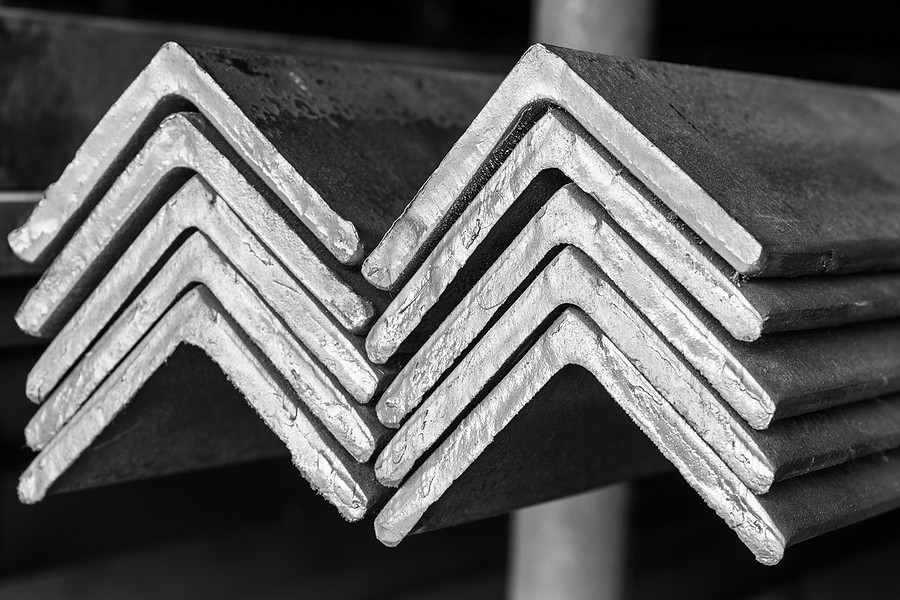
Exploring the Benefits of Durable Materials in Sustainable Design
In the realm of sustainable design, the choice of materials plays a crucial role in determining the overall environmental impact of a project. Durable materials not only enhance the longevity and resilience of designs but also significantly reduce the need for frequent replacements, thereby conserving resources and minimizing waste. For instance, materials such as reclaimed wood, recycled metals, and bamboo stand out for their ability to withstand the test of time while being eco-friendly. By opting for these sustainable alternatives, designers can create spaces that are not only visually appealing but also contribute to a more sustainable future.
Moreover, integrating durable materials into sustainable design practices can lead to substantial cost savings over time. While the initial investment may be higher, the lower maintenance requirements and extended lifespan of these materials ultimately result in reduced expenditures in the long run. Additionally, utilizing materials that have a lower carbon footprint can also enhance a project’s marketability, appealing to eco-conscious consumers who prioritize sustainability. In summary, durable materials are not just an aesthetic choice; they are a fundamental component of effective and responsible design solutions.
Counter-Strike is a popular first-person shooter game that has evolved over the years, captivating millions of players worldwide. Known for its tactical gameplay and competitive nature, it offers a range of maps and game modes that require teamwork and strategy. For those looking to enhance their gaming experience, check out the Top 10 MagSafe Wallets with Finger Loops to keep your accessories organized while you play. Whether you are a seasoned pro or a newcomer, Counter-Strike provides thrilling encounters and a vibrant community.
How Durable Materials Enhance Aesthetic Appeal and Functionality
When it comes to interior and exterior design, the choice of materials plays a pivotal role in both aesthetic appeal and functionality. Durable materials, such as hardwood, stone, and high-quality metal, not only withstand the test of time but also enhance the visual charm of any space. For instance, a beautifully crafted wooden floor can add warmth and richness to a room while also enduring heavy foot traffic. The integration of these materials into design not only makes a statement but also ensures long-lasting beauty, reducing the need for frequent replacements.
Furthermore, the use of durable materials contributes significantly to the functionality of a space. Consider products made from weather-resistant materials like fiberglass or composite wood for outdoor furniture; they provide not only style but also resilience against the elements. Coupling aesthetic appeal with functionality creates environments that are both inviting and practical, meeting the demands of modern living. The harmony of beauty and utility ensures that spaces are not just visually pleasing but also serve their intended purposes effectively over time.
What Makes Durable Materials the Backbone of Modern Architecture?
In the rapidly evolving world of architecture, the significance of durable materials cannot be overstated. These materials, ranging from reinforced concrete to sustainably sourced timber, provide not only structural integrity but also enhance the longevity of buildings. By incorporating durable materials, architects are able to create designs that withstand the test of time and environmental challenges, thereby reducing the need for frequent repairs or replacements. This durability translates into long-term cost efficiency, making it a crucial consideration in modern architecture.
Moreover, the application of durable materials contributes to sustainability, a principle becoming increasingly essential in contemporary design. According to recent studies, using materials that require less maintenance and have a lower ecological footprint can significantly reduce a building's overall impact on the environment. For instance, structural elements made from recycled steel or bamboo not only offer strength but also support eco-friendly practices. As we continue to seek innovative solutions in construction, the reliance on durable materials will undoubtedly remain a cornerstone of architectural excellence.